AFTERCARE GUIDE
Window Tint Drying & Curing Process
Everything you need to know about how long window tint takes to cure, what’s normal during the drying period, and how to avoid damaging your new tint in Greenville’s climate.
⚡ Quick Answer
Window tint takes 3–5 days to fully cure in Greenville’s warm climate (summer), and up to 2–4 weeks during cooler months. During the curing process, you’ll notice small water bubbles, a hazy or milky appearance, and possibly streaky spots. This is completely normal. Don’t roll down your windows or clean the tint for at least 3–5 days after installation.
Understanding the Curing Process
Why does window tint need to cure?
Window tint film is applied to glass using a water-based adhesive solution. During installation, the installer uses this soapy water solution to position and squeegee the film onto the glass. After installation, the remaining moisture between the film and glass needs to evaporate completely for the adhesive to fully bond. This evaporation process is what we call “curing.” Until the film is fully cured, the adhesive hasn’t reached its full strength and the appearance hasn’t settled.
How long does window tint take to dry?
In Greenville’s climate, cure times vary by season. During summer (June–September), when temperatures regularly hit 85–95°F with high humidity, tint typically cures in 3–5 days. The heat accelerates evaporation, but humidity can slow it slightly. During spring and fall, expect 1–2 weeks. During winter (December–February), when temperatures drop to 30–50°F, curing can take 2–4 weeks because the cooler temperatures slow evaporation significantly. Parking in direct sunlight speeds up the process regardless of season.
What are those bubbles and hazy spots on my new tint?
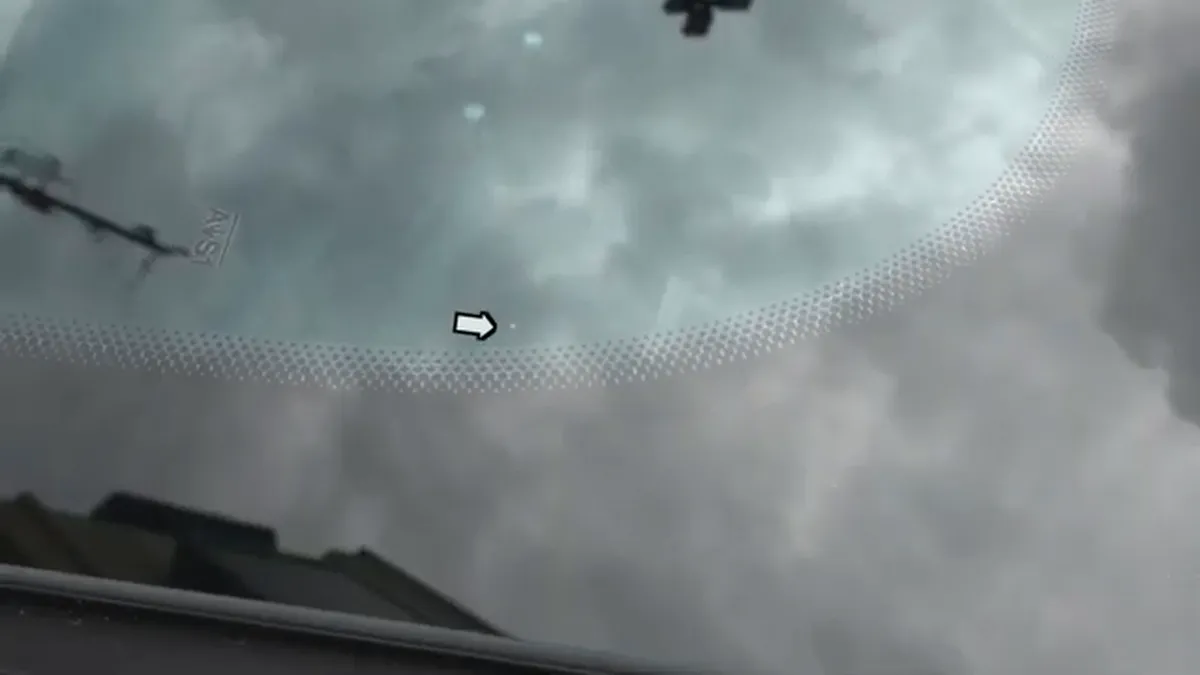
Small water bubbles, a milky or hazy appearance, and slight cloudiness are completely normal during the first few days after installation. These are tiny pockets of moisture trapped between the film and glass that haven’t evaporated yet. They will disappear on their own as the tint cures. Do NOT try to push them out or pop them — this can damage the film and void your warranty. If large bubbles (bigger than a quarter) appear or small bubbles persist after 2–3 weeks, contact your installer.
Cure Times by Season in Greenville
SUMMER
3–5 Days
85–95°F temps accelerate curing. Park in direct sunlight to speed it up.
SPRING / FALL
1–2 Weeks
Moderate temps mean moderate cure times. Bubbles may linger a bit longer.
WINTER
2–4 Weeks
Cold temps slow evaporation. Don’t worry — the tint will clear up.
Aftercare Do’s and Don’ts
Can I roll my windows down after getting tint?
Wait at least 3–5 days before rolling down any tinted windows. Rolling them down too early can cause the film to peel away from the glass at the top edge, since the adhesive hasn’t fully bonded yet. In winter, wait a full week to be safe. This is the most common mistake people make with new tint, and it’s the easiest to avoid.
How should I clean my newly tinted windows?
Wait at least one week before cleaning tinted windows. When you do clean them, use a soft microfiber cloth and an ammonia-free glass cleaner. Ammonia-based cleaners (like original Windex) will break down the tint film over time, causing it to turn purple and peel. We recommend products like Invisible Glass, Stoner Glass Cleaner, or a simple mixture of water and white vinegar. Never use paper towels or abrasive pads on tinted windows.
How can I speed up the curing process?
Park your car in direct sunlight as much as possible during the curing period. The heat from the sun accelerates moisture evaporation. On warm sunny days, even 2–3 hours of direct sun helps significantly. If it’s cold or cloudy, parking in a heated garage is the next best option. Running your defroster on the lowest heat setting can also help with the rear window. Don’t try to use a heat gun or hair dryer — this can damage the film.
What Customers Say
“I was worried about the bubbles on day one, but they explained it was totally normal. By day 4 in the July heat, everything looked perfect. Crystal clear, no bubbles, no haze. Patience pays off.”
— Kevin R., Greenville
“Got my windows tinted in December and it took about 3 weeks to fully cure. They warned me upfront about the longer cure time in winter. The hazy look went away completely once it warmed up.”
— Amanda C., Five Forks
“They gave me a detailed aftercare sheet and even followed up by text a week later to ask how the tint looked. Great attention to detail. Parked on Woodruff Road in the sun for a few days and it cured perfectly.”
— David L., Mauldin
Drying Process FAQ
Ready to Get Your Windows Tinted?
Professional installation with detailed aftercare instructions. We use premium ceramic films and back every install with a lifetime warranty.